
Affiliate Disclosure:
Some of the links on this site may be affiliate links in the future, which means we may earn a small commission at no additional cost to you. We only reference products that are widely used and well reviewed by active adults.
Introduction
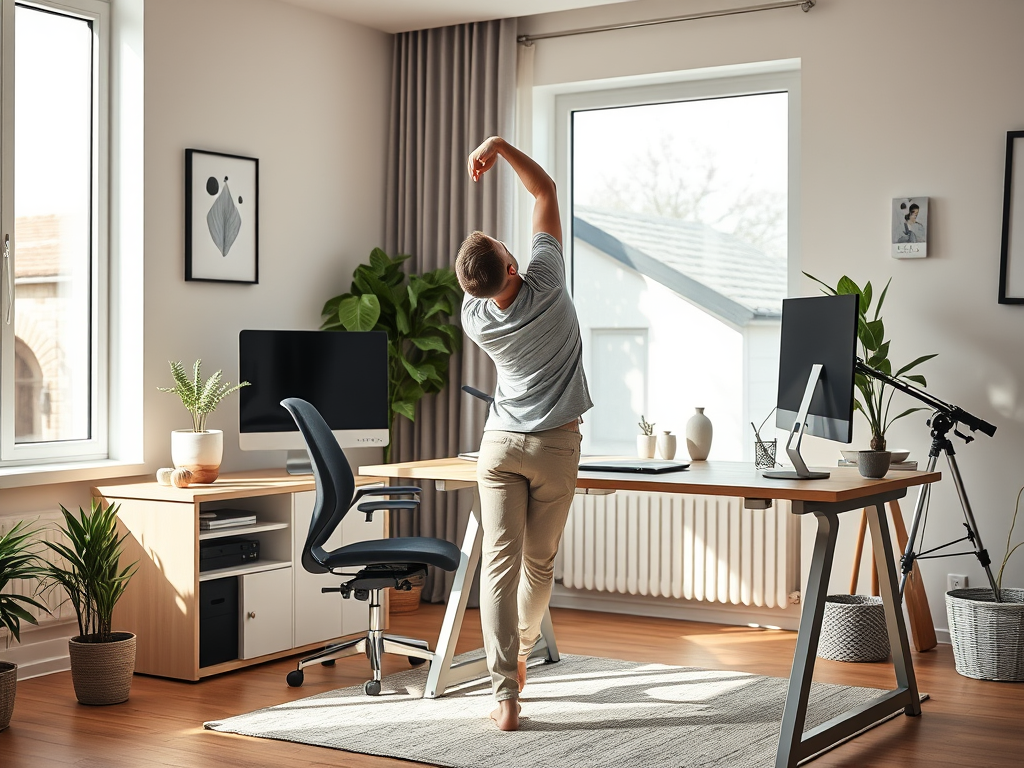
Working from home has made it easier to fit workouts into the day — but it has also created a new set of physical challenges that many active adults weren’t dealing with before.
Long hours of sitting, fewer natural movement breaks, and training before or after a desk-heavy workday often lead to tight hips, lower back stiffness, and slower recovery overall.
For people who sit most of the day but still train regularly, recovery tools aren’t a luxury — they’re a necessity.
The right recovery tools can help reduce discomfort, improve mobility, and make it easier to stay consistent with training. This guide breaks down the best recovery tools for people who work from home, focusing on options that are practical, effective, and realistic to use in a home environment.
Why People Who Work From Home Need Recovery Tools
Sitting for extended periods affects the body in predictable ways:
- Hip flexors shorten and tighten
- Glutes become less active
- The lower back absorbs more strain
- Blood flow is reduced
- Muscles recover more slowly between workouts
When these effects are combined with regular strength training, running, or high-intensity workouts, stiffness and discomfort can quickly become ongoing issues.
Recovery tools help counteract these challenges by improving circulation, reducing muscle tension, and restoring range of motion — especially when they’re easy to use consistently.
The Best Types of Recovery Tools for Desk Workers
Rather than relying on a single solution, recovery works best when tools are matched to specific problem areas. Below are the most effective recovery tool categories for people who spend most of the day at a desk.
Massage Guns
Massage guns use percussive therapy to help loosen tight muscles, improve blood flow, and reduce post-workout soreness. For people who work from home, they’re especially useful for hips, glutes, hamstrings, and upper legs.
Popular options like the Hyperice Hypervolt 2 are widely used by active adults who want effective recovery without excessive noise — an important factor for home offices and shared living spaces.
Another commonly used option is the TheraGun Prime, which is known for its deeper percussion and is often chosen by people who train frequently and want more powerful muscle release after long workdays.
For those looking for a more affordable but still well-reviewed option, the Bob and Brad C2 Massage Gun is frequently mentioned as a quieter, budget-friendly choice that still delivers solid everyday recovery.
Best for
- Hip tightness from prolonged sitting
- Post-workout muscle soreness
- Short recovery sessions (5–10 minutes)
When to be cautious
Massage guns can feel intense if used incorrectly or on sensitive areas. People dealing with acute injuries or severe pain should start on low settings or use other recovery tools first.
Foam Rollers
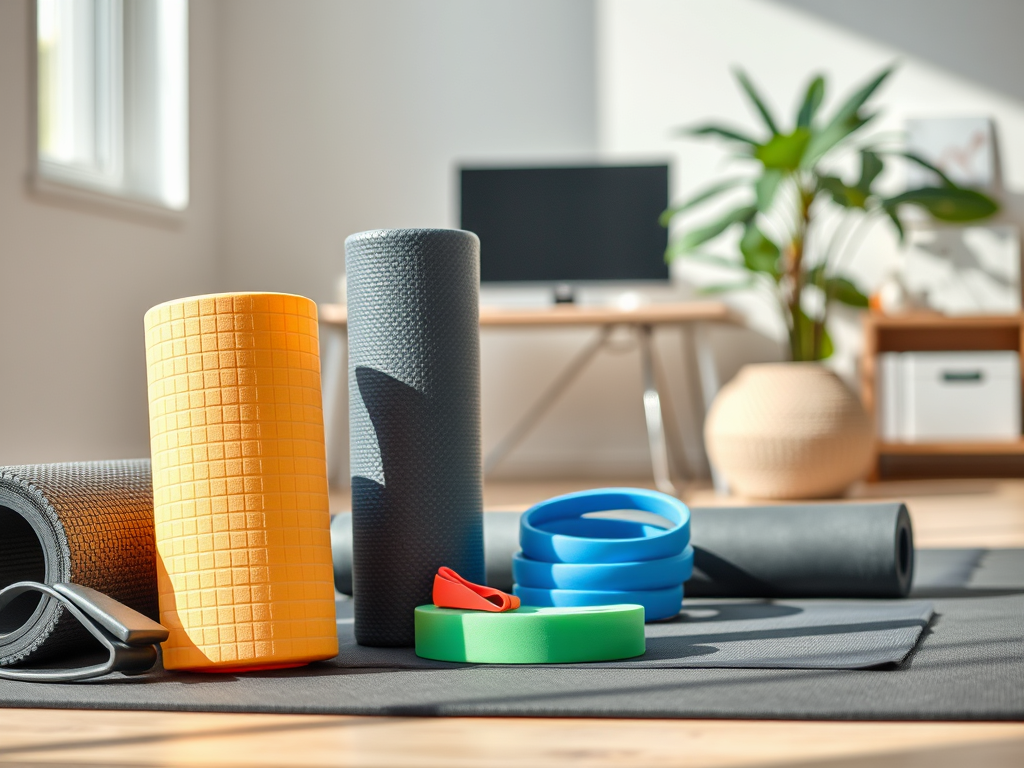
Foam rollers remain one of the most effective and affordable recovery tools available. They’re particularly helpful for addressing stiffness in the lower back, glutes, quads, and upper back caused by long hours of sitting.
Popular options like the TriggerPoint GRID 1.0 Foam Roller are commonly used by people dealing with lower back stiffness from sitting because they provide firm, textured pressure without being overly aggressive.
Some active adults also prefer vibration-based rollers such as the Hyperice Vyper 3, which combines traditional foam rolling with vibration to help muscles relax more quickly during shorter recovery sessions.
Best for
- Lower back stiffness
- General muscle tightness
- Daily mobility routines
When they may fall short
Foam rollers apply broader pressure, so they may not be ideal for very specific or deep muscle knots.
If lower back stiffness from sitting is your main issue, we break down the best foam rollers specifically for lower back pain from sitting in a dedicated guide.
Targeted Mobility Balls & Small Tools
Mobility balls allow for more precise pressure than foam rollers and are especially useful for reaching deeper hip and glute muscles that often tighten up from prolonged sitting.
Tools such as the TriggerPoint GRID Ball are commonly used to isolate pressure in hard-to-reach areas, making them a helpful addition for people dealing with persistent hip tightness or glute discomfort.
These tools are small, portable, and easy to use in short sessions — even during quick breaks between work calls.
Best for
- Deep hip and glute tension
- Pinpoint muscle knots
- Targeted recovery sessions
Foot & Lower-Leg Recovery Tools
Extended sitting can also affect circulation in the lower legs and feet, contributing to stiffness and fatigue that carry over into workouts.
Simple tools like the TheraBand Foot Roller are often used while seated and can help stimulate circulation and reduce tension at the end of the workday without requiring much time or effort.
Best for
- Foot tightness
- Lower-leg stiffness
- End-of-day recovery while seated
How to Choose the Right Recovery Tool for You
When deciding which recovery tools to start with, consider the following:
Where you feel discomfort most
- Lower back → Foam roller
- Hips and glutes → Massage gun or mobility ball
- Feet → Foot roller
How much time you realistically have
- 5–10 minutes → Massage gun or foot roller
- 10–20 minutes → Foam rolling combined with light mobility
Your living space
People working from apartments or shared spaces often benefit from quiet, compact tools that are easy to store and quick to use.

Final Recommendations
For most people who work from home and train regularly:
- Best overall recovery setup:
A firm foam roller like the TriggerPoint GRID 1.0 paired with a quiet massage gun such as the Hyperice Hypervolt 2 - Best for lower back stiffness from sitting:
A textured foam roller used consistently for short daily sessions - Best for hip tightness:
A massage gun with adjustable intensity or a targeted mobility ball - Best budget-friendly option:
A well-reviewed massage gun like the Bob and Brad C2 or a quality foam roller
You don’t need every tool at once. Starting with one or two that address your primary pain points is usually enough to notice meaningful improvement.
Final Thoughts
Recovery doesn’t need to be complicated to be effective. For people who work from home, short and consistent recovery sessions often make a bigger difference than longer, infrequent routines.
By choosing tools that fit naturally into your workday and post-workout schedule, it becomes much easier to stay active, comfortable, and consistent over the long term.

 The Office Athlete
Leave a comment