Affiliate Disclosure:
Some of the links on this site may be affiliate links in the future, which means we may earn a small commission at no additional cost to you. We only reference products that are widely used and well reviewed by active adults.
Introduction
If you work from home and sit for long hours, lower back stiffness is almost inevitable — especially if you also train regularly.
Prolonged sitting shortens the hip flexors, limits blood flow, and places extra strain on the lower back. When you add workouts on top of that, even small mobility issues can quickly turn into persistent discomfort.
Foam rolling is one of the simplest and most effective ways to counteract the effects of sitting. The right foam roller can help reduce lower back stiffness, improve mobility, and make recovery feel manageable again — even with a desk-heavy workday.
This guide breaks down the best foam rollers for lower back pain from sitting, with a focus on options that work well for people who spend most of their day at a desk.
Why Sitting Causes Lower Back Pain
Lower back discomfort from sitting isn’t random — it follows a pattern.
When you sit for extended periods:
- Hip flexors tighten and pull on the pelvis
- Glutes become less active
- The lumbar spine loses mobility
- Blood flow to the lower body decreases
Over time, these changes place additional stress on the lower back, especially during workouts like squats, deadlifts, running, or even long walks.
Foam rolling helps address these issues by:
- Increasing circulation
- Releasing tight muscles
- Improving range of motion
- Reducing stiffness before or after training
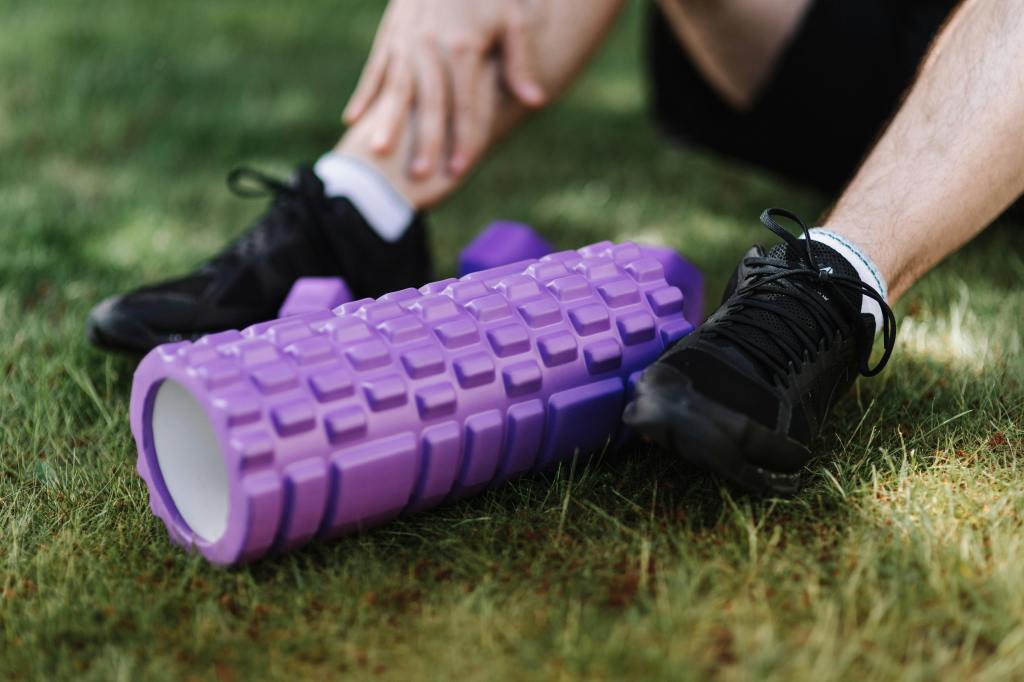
What to Look for in a Foam Roller for Lower Back Pain
Not all foam rollers are the same. For lower back stiffness caused by sitting, a few features matter more than others.
Density
- Medium density is ideal for most people
- Too soft = ineffective
- Too firm = uncomfortable, especially for beginners
Surface Texture
- Light texture helps target muscle tightness
- Aggressive ridges aren’t always better for the lower back
Length & Stability
- A standard 13-inch roller works well for most home setups
- Stable construction prevents excessive pressure on the spine
Best Foam Rollers for Lower Back Pain From Sitting
Below are some of the most commonly used and well-reviewed foam rollers for people dealing with lower back stiffness from prolonged sitting.
TriggerPoint GRID 1.0 Foam Roller
The TriggerPoint GRID 1.0 is one of the most widely used foam rollers and is often recommended for general recovery and mobility work.
Its textured surface provides firm but manageable pressure, making it a popular option for people looking to release lower back stiffness without excessive discomfort. Many desk workers use it for daily mobility routines targeting the lower back, glutes, and upper back.
Best for
- General lower back stiffness
- Daily foam rolling routines
- Beginners and experienced users
Hyperice Vyper 3 (Vibration Foam Roller)
The Hyperice Vyper 3 combines traditional foam rolling with vibration, which can help muscles relax more quickly during shorter sessions.
This type of roller is often used by active adults who want deeper relief but don’t have time for long recovery routines. The vibration feature can make rolling feel more effective with less pressure.
Best for
- Short recovery sessions
- Deeper muscle relaxation
- People who prefer higher-tech recovery tools
Things to consider
Vibration rollers are more expensive than standard foam rollers and may be more than necessary for casual use.
Smooth High-Density Foam Rollers
Smooth foam rollers without aggressive texture are often overlooked, but they can be a great option for lower back pain caused by sitting.
Many people find that smooth rollers provide enough pressure to release stiffness without irritating sensitive areas. These rollers are commonly used for gentler recovery sessions and are especially helpful for beginners.
Best for
- Sensitive lower backs
- Light to moderate stiffness
- Relaxed mobility work
How to Foam Roll Safely for Lower Back Pain
Foam rolling the lower back should be done carefully.
General tips:
- Avoid rolling directly on the spine
- Focus on the muscles around the lower back (glutes, upper hips)
- Use slow, controlled movements
- Stop if you feel sharp or pinching pain
For many people, rolling the glutes and upper hips provides significant relief for lower back discomfort without placing pressure directly on the lumbar spine.
How Often Should You Foam Roll?
Consistency matters more than duration.
For people who sit all day:
- Daily: 5–10 minutes of light foam rolling
- After workouts: Focus on areas that feel tight or fatigued
- Before workouts: Short sessions to improve mobility
Even brief sessions can make a noticeable difference when done consistently.
Final Recommendations
For most people dealing with lower back stiffness from sitting:
- Best overall foam roller:
A medium-density roller like the TriggerPoint GRID 1.0 - Best for deeper relief:
A vibration roller such as the Hyperice Vyper 3 - Best budget option:
A smooth, high-density foam roller for daily use
You don’t need multiple rollers to see results. Starting with one that matches your comfort level and using it consistently is usually enough to reduce stiffness over time.
Final Thoughts
Lower back pain from sitting is one of the most common challenges for people who work from home. Foam rolling offers a simple, affordable way to counteract the effects of prolonged sitting and support better recovery.
When combined with regular movement breaks and basic mobility work, the right foam roller can help make training feel sustainable again — even with a desk-heavy schedule.
 The Office Athlete
Leave a reply to Best Recovery Tools for People Who Work From Home – The Office Athlete Cancel reply